
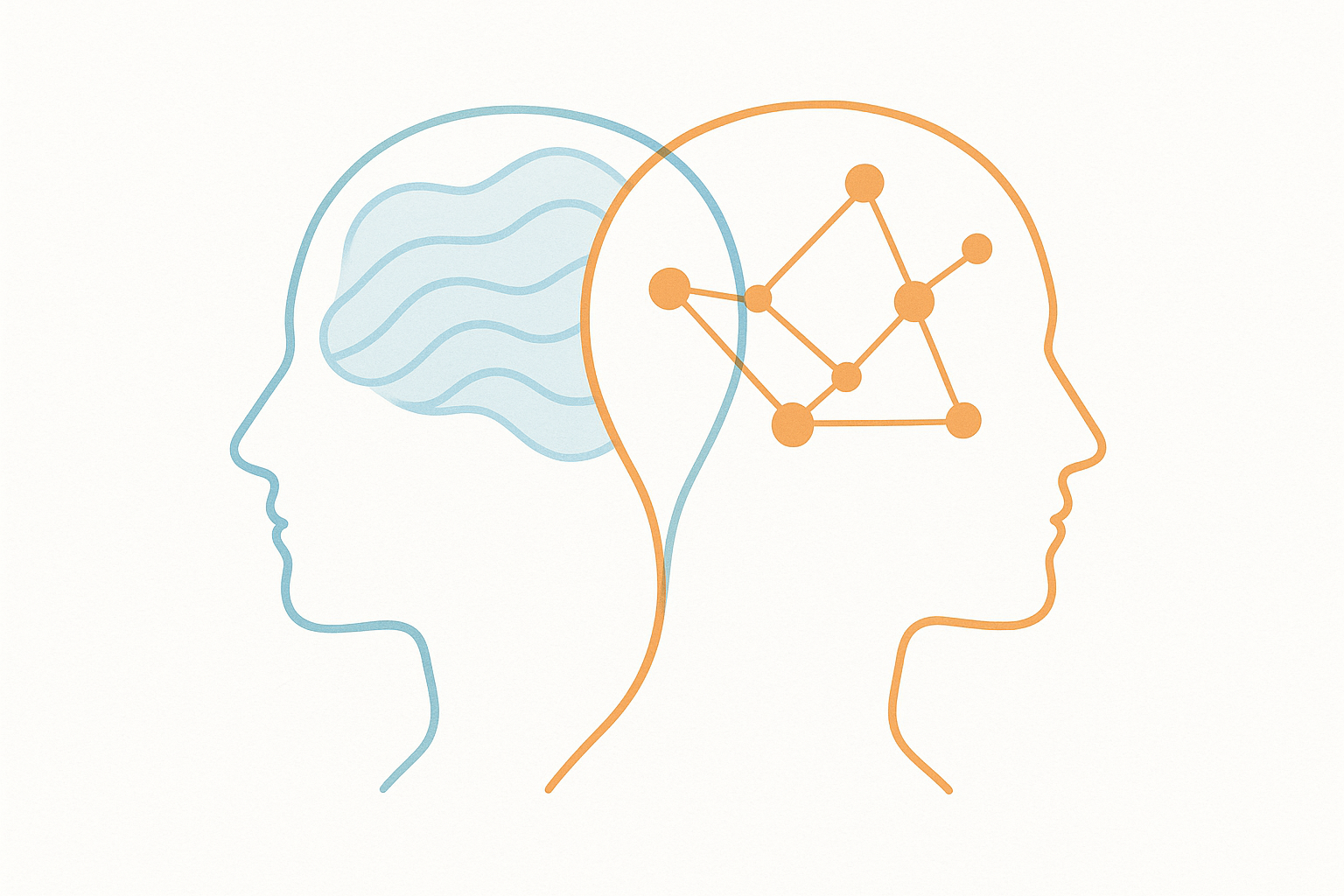
How EQ and CQ Work Together in Leadership
Emotional Intelligence (EQ) and Cultural Intelligence (CQ) are two critical skills for modern leaders. EQ helps you understand and manage emotions, while CQ enables you to navigate diverse cultural settings. Together, they empower leaders to connect with people on emotional and cultural levels, creating more effective and harmonious teams.
Key Points:
- EQ focuses on self-awareness, empathy, and relationship management.
- CQ involves understanding and adapting to cultural norms and values.
- Leaders with both EQ and CQ can:
- Build trust and resolve conflicts more effectively.
- Make decisions that consider emotional and cultural factors.
- Improve team communication across diverse backgrounds.
- Encourage creativity by valuing different perspectives.
Why It Matters:
- 93% of employers value the ability to work across cultures.
- EQ accounts for 90% of the difference between top-performing and average leaders.
To grow these skills, leaders can practice self-reflection, seek feedback, and engage with diverse teams. Combining EQ and CQ is essential for thriving in today’s global and emotionally complex workplaces.
141: The 7 Q Leadership Model by Ed Hart and Dr. Tam Nguyen
How EQ and CQ Connect
EQ (Emotional Intelligence) and CQ (Cultural Intelligence) work hand in hand to create a strong framework for effective leadership. Think of EQ as the starting point that makes CQ possible. Without the self-awareness and emotional regulation that come with EQ, it becomes much harder for leaders to handle cultural differences with sensitivity and understanding.
EQ lays the groundwork for CQ. When you can understand and manage your emotional responses, you’re better prepared to notice when cultural differences might be causing confusion or frustration. This self-awareness allows space for curiosity rather than judgment, opening the door to real cross-cultural understanding. This connection between EQ and CQ forms the basis for the deeper insights discussed below.
How EQ Supports CQ in Leadership
Emotional intelligence is the foundation for developing cultural intelligence. Research highlights that understanding and managing your own emotions is essential for appreciating and adapting to cultural differences [4].
Self-regulation plays a key role when cultural misunderstandings arise. Leaders who can effectively manage their emotions avoid reacting impulsively in ways that could harm relationships. Instead, they take the time to process their emotions and respond thoughtfully. This ability to stay composed is critical because EQ helps leaders deal with the frustration and discomfort that often come with encountering unfamiliar behaviors in diverse settings [1].
Empathy is another vital component. It allows leaders to put themselves in someone else’s shoes, which is even more valuable in cross-cultural situations. When leaders genuinely understand how someone feels, they’re better equipped to see how cultural background shapes that person’s approach to communication, decision-making, or teamwork.
The social skills developed through EQ - like active listening and clear communication - are essential for bridging cultural divides. CQ then builds on these skills by adding an understanding of cultural nuances. Together, these abilities enhance cross-cultural interactions and deliver practical leadership benefits, as explored in the next section.
Benefits of Using EQ and CQ Together
When leaders combine EQ and CQ, they achieve outcomes that meet the challenges of today’s diverse workplaces. This combination creates a powerful effect, transforming how teams operate and succeed.
Building Trust and Resolving Conflicts becomes more effective when leaders connect emotionally while respecting cultural values. Studies show that leaders with high emotional intelligence are 40% more likely to create inclusive and collaborative environments [3]. By integrating EQ and CQ, leaders can identify the emotional and cultural roots of workplace conflicts. For instance, what seems like a personality clash might actually stem from differences in cultural attitudes toward hierarchy, feedback, or time management. Leaders with both EQ and CQ can mediate conflicts in ways that respect everyone’s emotions and cultural backgrounds [5].
Better Decision-Making emerges when leaders factor in both emotional impact and cultural context. Instead of relying solely on logic or personal preferences, they consider how decisions will affect team members from various cultural backgrounds. This approach leads to more inclusive outcomes that are supported by the whole team.
Encouraging Innovation becomes easier in environments where cultural diversity is valued. Diverse teams often produce more creative ideas, and leaders who embrace these differences can harness them to spark innovation [4]. EQ ensures that team members feel safe sharing their unique perspectives, while CQ helps leaders understand and appreciate those perspectives.
Improved Cross-Cultural Communication is another key benefit. Leaders with high EQ and CQ adapt their communication styles to fit both emotional signals and cultural expectations. For example, they recognize that direct feedback might be appreciated in some cultures but seen as harsh in others. Similarly, they understand that silence during a meeting could signify respect rather than disengagement, depending on cultural norms.
These combined skills show their value in everyday leadership tasks. When giving feedback, leaders with EQ and CQ can deliver messages that are both emotionally supportive and culturally appropriate. When managing remote teams across time zones, they consider not just scheduling logistics but also how different cultures view work-life balance and availability.
While technical skills are important, the ability to connect with people on emotional and cultural levels is often what sets great leaders apart. Leaders who excel in both EQ and CQ create inclusive environments where team members feel understood and valued, boosting engagement and motivation [3].
The integration of EQ and CQ equips leaders to navigate the complex interplay of emotions and culture that defines today’s workplace, making them highly effective in diverse, dynamic environments.
Building EQ and CQ: Steps for Leaders
Improving emotional and cultural intelligence takes deliberate effort, especially for technical professionals who are more accustomed to working with systems than navigating the nuances of human interaction. The good news? Both emotional intelligence (EQ) and cultural intelligence (CQ) are skills you can develop over time with the right strategies and consistent practice. Strengthening these areas equips leaders to handle diverse and high-pressure environments with confidence.
Building Emotional Intelligence
The first step in developing emotional intelligence is self-awareness. Margaret Andrews, Instructor of Emotional Intelligence in Leadership, puts it this way:
"It all starts with self-awareness, which is the foundation of EI, and it builds from there. If you're aware of your own emotions and the behaviors they trigger, you can begin to manage these emotions and behaviors" [7].
One way to enhance self-awareness is through daily five-minute journaling. Focus on identifying emotional patterns by using the "Ask What Not Why" method. For example, instead of asking, "Why did I get upset?" ask, "What triggered my frustration?" This shift in perspective helps uncover actionable insights, which can also improve how you communicate across cultures [6].
Another key strategy? Seek feedback. Regular 360-degree reviews and peer check-ins provide valuable insights into how others perceive your emotions and reactions [6] [7].
When it comes to managing stress, simple techniques like counting to ten, taking short walks, or practicing deep breathing can prevent emotional reactions from spiraling [6].
You can also sharpen your empathy by reading literature with complex characters, which exposes you to a variety of emotional experiences and perspectives [7].
Lastly, develop strong communication skills. Practice empathetic listening - give your full attention to others without immediately planning your response. Clear communication and emotional awareness during conversations are essential for building trust and rapport [8].
Building Cultural Intelligence
To build cultural intelligence, start with cultural competence training. Learn about different cultures, including their values, norms, and communication styles [2].
Hands-on experience is equally important. Work with diverse teams by volunteering for international projects, joining cross-functional groups, or participating in global initiatives. These experiences offer lessons that go beyond what you can learn in a classroom.
Observe and listen actively to pick up on cultural nuances. Pay attention to non-verbal cues, decision-making styles, and how people from different backgrounds approach challenges, provide feedback, or express disagreement [9] [10].
A great example of CQ in action is Microsoft's transformation under Satya Nadella. Between 2014 and 2024, Nadella shifted the company’s culture from a "know-it-all" to a "learn-it-all" mindset. This focus on empathy and adaptability led to 83.5% of employees reporting intentional allyship in the workplace, as noted in Microsoft’s 2024 DEI report [9].
When in doubt, ask clarifying questions rather than making assumptions about cultural norms or behaviors. Julie Rousseau, Director of People Management at Allegro MicroSystems, underscores this approach:
"DEI really comes down to treating people like human beings, treating people with respect, but understanding that not every human is like me" [10].
Building genuine relationships with individuals from different backgrounds also helps you go beyond surface-level understanding. These connections offer deeper insights into how culture influences thinking and work styles [10].
Finally, practice adaptability by adjusting your behavior and communication style to fit different cultural contexts. This could mean tweaking how direct you are, changing how you run meetings, or modifying how you give feedback to align with cultural preferences [9].
The Role of Learning and Coaching
While hands-on experience is invaluable, structured learning can take your EQ and CQ development to the next level. Structured programs offer a clear path for growth, helping leaders retain top talent, expand into new markets, and build resilient teams [11].
CQ assessments are another powerful tool. They highlight areas for improvement and track progress over time. For instance, a UK-based tech company used CQ training before entering Southeast Asia. By tailoring their approach to local norms, they successfully launched in three markets on time and under budget [12].
Leadership coaching and masterminds provide personalized support for technical professionals stepping into leadership roles. These programs bridge the gap between technical expertise and the interpersonal skills needed for leadership. Tailored learning plans, private coaching, and leadership masterminds ensure these essential skills aren’t overlooked.
For more immersive learning, international mentorship and job rotations offer firsthand experience navigating unfamiliar cultural contexts while managing emotional responses to new challenges [12].
Lastly, leadership simulations with cultural scenarios provide a safe environment to practice EQ and CQ skills. These exercises help leaders build confidence and refine their abilities before applying them in real-world situations [12].
The key takeaway? Treat EQ and CQ development as ongoing journeys. Regular practice, feedback, and learning will ensure that these skills continue to grow over time.
sbb-itb-8feac72
Using EQ and CQ in Technical Leadership Roles
When technical professionals step into leadership positions, they encounter challenges that go beyond technical expertise. Success in these roles often hinges on the ability to manage emotions and navigate cultural differences, especially when leading diverse teams, driving innovation, or transitioning from an individual contributor to a leadership or consulting role.
Bridging Communication Gaps in Diverse Teams
Technical teams often span multiple time zones, cultures, and communication styles, which can lead to misunderstandings. Leaders who develop strong emotional intelligence (EQ) and cultural intelligence (CQ) can turn these challenges into opportunities for collaboration.
At the heart of effective communication lies active listening and self-awareness. Leaders need to pay attention not only to technical issues but also to their team members' perspectives and emotions. This becomes especially important in cross-cultural settings where direct communication might not always work effectively [13] [14].
Encouraging team members to share their backgrounds and goals fosters a deeper understanding beyond just technical skills. For instance, Salesforce has made strides in increasing representation among women and underrepresented minorities in leadership roles. They’ve also created employee resource groups to support diverse communities, which has led to higher satisfaction among employees and improved company outcomes [13].
Leaders can also adopt culturally sensitive decision-making frameworks, such as the "RESPECT" model. This approach - Recognize diversity, Empathize, Seek understanding, Promote inclusion, Encourage dialogue, Celebrate differences, and Take thoughtful action - helps bridge communication gaps when decisions impact team members from varied cultural backgrounds [13].
By fostering open communication, leaders create an environment where diversity becomes a driver of innovation.
Driving Innovation Through Diversity
Diverse teams bring fresh perspectives, which often lead to more creative solutions. The key for leaders is to harness these differences while reducing cultural friction.
"Diverse teams are more innovative and adaptable to change."
- Anoop Suri [13]
Leaders who understand different cultural approaches to problem-solving can assign tasks and organize workflows in ways that play to each team member’s strengths. For example, some cultures may prefer a systematic approach to debugging, while others might lean toward collaborative brainstorming. Recognizing and blending these approaches can lead to groundbreaking solutions [4].
Additionally, fostering a feedback-friendly culture that respects cultural nuances can help. Constructive feedback, when focused on behaviors rather than personal traits, keeps the team aligned while encouraging innovative thinking [14].
These practices not only spark innovation but also prepare technical professionals for leadership and consulting roles.
Transitioning to Leadership or Consulting Roles
Moving from a technical role to leadership or consulting requires more than technical know-how. EQ and CQ become essential for managing teams and working with clients.
Developing skills in conflict resolution is crucial for navigating emotional dynamics and fostering collaboration across cultural lines. This ability directly impacts success when working with international clients and delivering projects [4] [14].
"Compassionate leaders build bridges across cultural divides, promoting harmony and collaboration."
- Anoop Suri [13]
Programs that help bridge the gap between technical expertise and business outcomes can support this transition. For example, Tech Leaders offers training in engineering leadership and entrepreneurship, equipping professionals with the tools to monetize their technical knowledge. These programs combine technical skills with leadership and AI business strategies, preparing individuals to take on independent consulting roles effectively.
Whether leading teams or consulting globally, EQ and CQ remain central to navigating the complexities of cultural differences, project requirements, and client expectations [13].
Measuring and Maintaining EQ and CQ Growth
Developing emotional intelligence (EQ) and cultural intelligence (CQ) isn’t a one-time effort - it’s an ongoing process. Leaders who regularly measure their progress and incorporate daily habits into their routines can achieve steady, meaningful growth, ultimately boosting their effectiveness.
Self-Assessments and Feedback Methods
Start by evaluating where you currently stand with your EQ and CQ. There are several well-regarded tools available to establish a baseline and track your development over time.
For measuring emotional intelligence, the Emotional Capital Report (ECR) is often viewed as a top-tier option. It’s been benchmarked against 3,240 high-performing leaders across Europe, Australia, and the U.S. [16]. Jeremy Darroch, Group CEO of Sky, emphasizes its practical value:
"One of the great things about the Emotional Capital Report is that it puts a lot of these concepts into the language of business." [16]
Other reliable EQ tools include the Emotional Quotient Inventory (EQ-i), which assesses 15 emotional and social competencies grouped into five core factors, and the 360 EQ, completed by over two million professionals. The 360 EQ offers insights into areas like self-awareness, self-management, social awareness, and relationship management [16].
For cultural intelligence, CulturalQ’s CQ Assessments are an excellent choice. These tools measure CQ across four key areas: CQ Drive, CQ Knowledge, CQ Strategy, and CQ Action. Pricing for the CQ Pro Assessment starts at $65 per seat [15][17], and it evaluates cognitive, motivational, and behavioral dimensions [18].
To complement self-assessments, 360-degree feedback is invaluable for identifying blind spots. Audrey Hogan, SHRM-SCP and COO of SurveyConnect, highlights its importance:
"Feedback isn't just a tool for professional growth; it's a key mechanism through which emotional intelligence can be developed." [19]
By combining self-assessments with regular 360-degree feedback, leaders can uncover areas for improvement and create targeted action plans. This combination provides a solid foundation for integrating daily practices that drive consistent growth.
Daily Practices for Growth
While assessments provide a snapshot of your starting point, real progress comes from consistent, daily habits. Leaders who incorporate EQ and CQ practices into their routines see more lasting results than those who rely solely on occasional workshops or seminars.
- Daily Reflection: Spend time each day reflecting quietly, whether through meditation or thoughtful introspection. This practice enhances self-awareness, a cornerstone of EQ [22].
- Active Listening: Focus fully on what others are saying, acknowledge their emotions, and respond thoughtfully. This skill is particularly valuable in cross-cultural settings where communication styles may vary [23].
- Empathy in Action: Make a conscious effort to see situations from others’ perspectives. This is especially important when working with people from diverse backgrounds. Show genuine interest in their experiences and validate their emotions without judgment [22][23].
- Emotional Expression: Learn to manage your emotions thoughtfully rather than suppressing them. This balance helps in building trust and maintaining healthy relationships [22].
- Cultural Adaptability: Engage with your team’s diversity daily. Encourage open collaboration, ensure everyone’s voice is heard, and adapt your communication style to fit different cultural contexts [23][24].
- Seek Feedback Regularly: Foster an environment where team members feel comfortable sharing their thoughts and providing constructive feedback. Using a structured approach like “observations, impact, and desired change” can make these conversations more productive [20][21].
- Mindfulness Practices: Develop present-moment awareness through meditation or similar techniques. This not only improves EQ but also helps navigate complex interpersonal situations with greater clarity [22][23].
The secret to growth lies in consistency. Leaders who dedicate just 10–15 minutes a day to these practices often achieve more sustainable improvements than those who rely on occasional intensive workshops without follow-up. Small, consistent efforts can lead to significant gains in both EQ and CQ, reinforcing the leadership principles discussed earlier.
Conclusion: The Power of EQ and CQ in Leadership
This guide has explored how combining emotional intelligence (EQ) and cultural intelligence (CQ) can transform leadership in today’s complex and diverse world. Together, these skills form a critical foundation for leaders aiming to thrive in dynamic environments. As Daniel Goleman wisely observed:
"Emotional intelligence or EQ surpasses academic qualifications, professional experience, or technical expertise. It embodies a set of skills anyone can nurture" [25].
When paired with cultural intelligence, the impact becomes even more profound.
Consider this: 71% of employers now value EQ over technical skills, and leaders with strong empathy skills achieve 40% better outcomes in coaching and decision-making [26]. These numbers highlight the growing importance of integrating EQ and CQ into leadership practices.
Leaders who master both intelligences build teams that not only embrace diverse cultural perspectives but also address the emotional needs of their members. This balanced approach shifts team dynamics and opens new pathways for leadership, especially for those in technical fields.
Of course, developing EQ and CQ isn’t a one-time effort - it requires continuous learning and practice. Margaret Andrews, an expert in Emotional Intelligence in Leadership, explains:
"Emotional intelligence is critical in building and maintaining relationships and influencing others - key skills that help people throughout their career and wherever they sit in an organizational structure" [7].
For technical professionals eager to enhance their leadership capabilities, programs like Tech Leaders offer tailored training. These programs focus on emotional and cultural intelligence alongside AI business strategies, recognizing that leadership growth is a lifelong process [28].
As you refine your leadership style, commit to nurturing EQ and CQ through consistent practice, constructive feedback, and structured learning. Leaders who embrace this approach are better equipped to handle the challenges of modern leadership, foster inclusive environments, and achieve meaningful outcomes within diverse teams and markets.
Maya Angelou’s words resonate deeply here:
"I've learned that people will forget what you said, people will forget what you did, but people will never forget how you made them feel" [27].
FAQs
How can leaders effectively use emotional intelligence (EQ) and cultural intelligence (CQ) to lead diverse teams?
Leaders can make the most of emotional intelligence (EQ) and cultural intelligence (CQ) by honing self-awareness, practicing empathy, and staying open to change. EQ allows leaders to regulate their emotions, build genuine connections, and establish trust. At the same time, CQ enables them to appreciate and adapt to cultural differences, promoting inclusivity and teamwork.
When these abilities work together, leaders can tackle interpersonal and cross-cultural challenges effectively. This approach fosters a workplace where diversity is appreciated, misunderstandings are minimized, and teams work harmoniously. To truly excel, leaders must commit to ongoing learning and purposeful practice, especially in today’s fast-moving, interconnected world.
How can leaders develop both emotional intelligence (EQ) and cultural intelligence (CQ) to lead effectively?
Leaders can improve their emotional intelligence (EQ) by focusing on a few key practices: actively listening to others, demonstrating genuine empathy, and staying composed under pressure. These habits not only strengthen trust but also enhance communication across teams, creating a more cohesive work environment.
To sharpen cultural intelligence (CQ), leaders should take the time to understand different cultural norms and values. This can be done by engaging with people from diverse backgrounds, welcoming feedback from team members, and examining their own assumptions or biases. Participating in cross-cultural experiences - like attending cultural events or collaborating with international colleagues - can offer meaningful perspectives and deepen their understanding.
When leaders invest in both EQ and CQ, they become better prepared to tackle interpersonal and cross-cultural challenges, creating an environment where inclusivity thrives and teams perform at their best.
Why is it essential for leaders in technical fields to develop both emotional intelligence (EQ) and cultural intelligence (CQ), and how do these skills enhance team performance and innovation?
Developing emotional intelligence (EQ) and cultural intelligence (CQ) is crucial for technical leaders. These skills allow leaders to connect with their teams on a meaningful level while effectively managing the dynamics of diverse work environments. EQ enables leaders to build trust, manage conflicts, and motivate their teams, while CQ equips them to respect and adapt to varying cultural norms and viewpoints, helping to minimize misunderstandings and encourage collaboration.
When combined, EQ and CQ lay the groundwork for better communication, stronger teamwork, and increased innovation. By recognizing and appreciating the individual strengths each team member brings to the table, leaders can foster an inclusive atmosphere that encourages creativity, adaptability, and ongoing growth - all essential for thriving in today’s fast-moving, interconnected world.