
Key Metrics for Stakeholder Impact Analysis
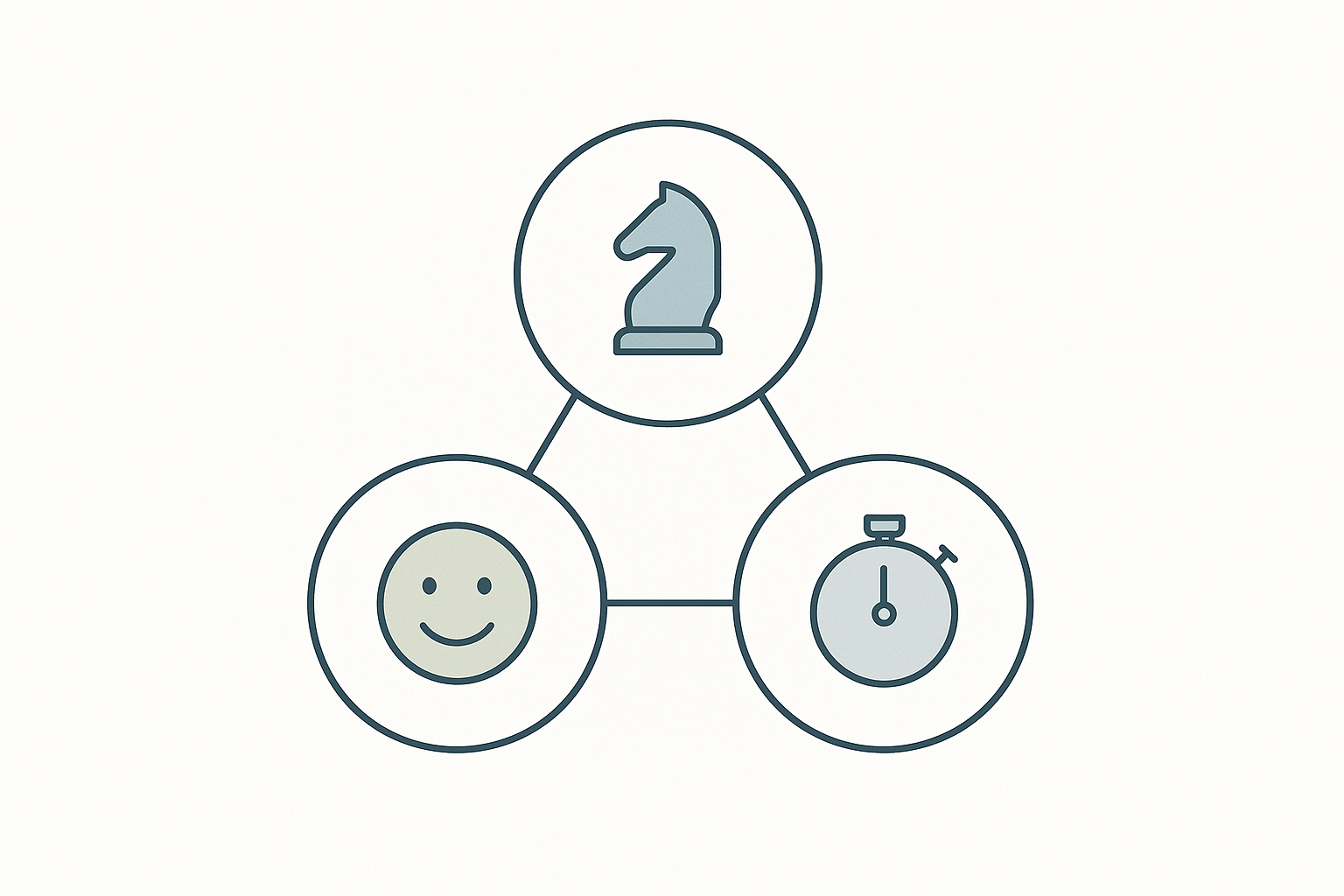
Stakeholder impact analysis helps organizations measure how decisions affect employees, customers, suppliers, and communities. The right metrics ensure decisions are effective, actionable, and aligned with stakeholder needs. Here's what you need to know:
- Why Metrics Matter: Tracking engagement can improve productivity by up to 20%. Metrics prove value, foster trust, and guide strategy.
- Core Dimensions: Focus on outcomes (desired changes), scale (reach), depth (quality of impact), and duration (long-term effects).
- Key Metrics:
- Satisfaction: Net Promoter Score (NPS), survey response rates, meeting attendance.
- Influence: Feedback implementation rates, decision impact frequency.
- Timeliness: Response times, resolution rates, feedback completion rates.
- Examples:
- Intel achieved a 40% satisfaction boost using weighted engagement scores.
- Microsoft implemented 87% of stakeholder feedback within 14 days.
- Salesforce maintains a 24-hour response policy with a 92% success rate.
- Data Collection Methods: Surveys, interviews, digital tracking, sentiment analysis, and document reviews.
- Reporting: Use visuals, combine quantitative and qualitative insights, and tailor reports to different audiences.
Why It Matters
Organizations that prioritize stakeholder impact see better alignment, higher satisfaction, and reduced project failures. Use these metrics to build trust, improve decision-making, and drive meaningful change.
Designing an effective stakeholder survey to improve impact performance
Core Dimensions of Stakeholder Impact
To truly grasp stakeholder impact, it's important to examine it from various perspectives. These dimensions form the foundation for choosing metrics that reflect how decisions influence individuals and organizations.
Outcomes, Scale, and Impact Depth
Start by defining the specific outcomes you want to achieve - whether that's boosting employee morale or cutting down on your carbon footprint. Clarity about the desired change is key.
Scale addresses the reach of these outcomes. How many people benefit from the change? The Bridgespan Group explains: "Impact measurement is the process of collecting and using data and information to understand how much progress your organization has made toward its intended outcomes" [7]. For instance, a fitness company might measure scale by tracking how many new members are classified as overweight [6].
Depth looks at the significance of the change for each stakeholder. It's not just about numbers but about the quality of the impact. For the fitness company, depth could be reflected in how many members actually achieve weight loss [6].
Duration adds another layer, ensuring that the improvements last over time.
To capture a complete picture, combine quantitative data with qualitative insights. This approach not only measures the scale but also highlights the human side of the impact [8]. Consistent data collection methods are essential for reliable tracking over time [8].
After defining these dimensions, the next step is identifying which stakeholder groups are most directly affected.
Stakeholder Identification and Groups
The "Who" in stakeholder impact involves mapping all those influenced by your decisions. This includes not only employees and customers but also suppliers, local communities, regulatory agencies, and even future generations.
Different groups require tailored metrics. For example, what resonates with your engineering team might not matter to your board of directors. Consider the Kashf Foundation in rural Pakistan, which conducted gender-specific research for its livestock loan product. This approach enabled them to serve 9,500 women farmers in just two years [5].
Similarly, Nuru Energy in Rwanda uncovered the importance of understanding stakeholder segments when they noticed low adoption rates for their smoke-free rechargeable bulbs. Their research identified two key consumer types - those avoiding inconvenience and those managing frequent blackouts. This insight led to testing solutions like larger-capacity bulbs and door-to-door recharge services [5].
Effective stakeholder mapping requires understanding what each group values, how they like to communicate, and how they make decisions. Some stakeholders may prefer detailed technical reports, while others might appreciate concise dashboards or summaries.
Risk, Contribution, and Unintended Effects
Once stakeholders are mapped, it’s vital to evaluate risks, contributions, and unintended consequences to get a full picture of the impact.
Risk assessment helps identify potential negative outcomes. This is especially important for maintaining stakeholder trust. Research shows that 92% of CEOs believe that sharing risk information is critical for a project's long-term success [11]. Real-world examples highlight how poor risk management can lead to delays, cost overruns, reputational harm, and even legal troubles [9].
Unintended effects often arise and need regular monitoring to address them before they escalate. Kunreuther et al. emphasize that "The selection of climate policies should be an exercise in risk management" [10].
Contribution analysis measures how much of the observed change can be directly linked to your actions. For example, if employee satisfaction improves after introducing a new feedback system, it’s important to determine how much of that improvement stems from the initiative versus other external factors. This requires a solid baseline and, when possible, control group comparisons.
Accountability plays a big role in managing risks effectively. A lack of clear responsibility is a stumbling block for 29% of businesses when completing projects [11]. Assigning ownership for monitoring and responding to risks ensures that potential problems are addressed promptly.
Key Metrics for Stakeholder Impact Analysis
Metrics are the bridge between abstract stakeholder satisfaction and actionable insights. Companies that effectively measure stakeholder engagement often see 80% higher rates of change adoption and experience 25% less productivity loss during transitions [12]. These figures make it clear: getting your metrics right is essential.
Below, we break down the key metrics for evaluating satisfaction, influence, and response efficiency.
Satisfaction and Engagement Metrics
The Stakeholder Satisfaction Score is a core indicator of how well relationships are managed. A robust strategy often involves multiple survey methods.
For example, Adobe has maintained an 85+ Net Promoter Score (NPS) by implementing a three-tiered feedback system: immediate surveys, 30-day follow-ups, and quarterly in-depth evaluations [2]. This layered approach captures both short-term impressions and long-term trends.
Intel offers another example with its engagement scoring system, which weights participation (40%), feedback quality (30%), and implementation success (30%). This model led to a 40% boost in stakeholder satisfaction within six months [2].
Survey response rates are a critical indicator of satisfaction. In 2023, Procter & Gamble increased their response rate to 45% by making surveys mobile-friendly and offering them in 12 languages - a 15% improvement over the previous year [2]. Accessibility clearly plays a major role in engagement.
Digital engagement metrics are equally vital. HubSpot achieved a 42% average email open rate by using AI to personalize content and optimize delivery timing [2]. Similarly, Salesforce tracks over 20 interaction points through its digital engagement dashboard, revealing that stakeholders who spend more than 30 minutes monthly on their platform show 65% higher engagement rates [2].
Even meeting attendance rates can provide real-time insights. Microsoft achieves a 78% quarterly meeting attendance rate by using personalized reminders and offering flexible meeting formats [2].
While satisfaction metrics measure the health of relationships, influence metrics reveal how much stakeholder input shapes decisions.
Influence and Relevance Metrics
Stakeholder Engagement Influence captures how effectively feedback drives tangible outcomes. This metric goes beyond collecting opinions - it tracks whether suggestions lead to real change.
Microsoft's program for implementing stakeholder feedback boasts an 87% success rate, thanks to "action teams" that address suggestions within 14 business days [2]. This approach demonstrates both speed and accountability, showing stakeholders that their voices matter.
Relevance metrics evaluate how well engagement efforts align with both organizational goals and stakeholder priorities. A study of PCORI-funded research found that stakeholders influenced projects in various ways, with 67% of researchers reporting instances where input redirected study goals [15]. The study also highlighted "co-producing" (collaborative efforts between researchers and stakeholders), which was reported by 72% of researchers and 65% of stakeholders [15].
Tracking decision impact frequency - how often stakeholder input affects major decisions - adds another layer of insight. For instance, a healthcare organization used the Power-Interest Grid to identify key stakeholders when implementing a new electronic health records system. This ensured that engagement efforts targeted those with the greatest potential to influence outcomes [16].
Timeliness and responsiveness round out the picture by focusing on how quickly and effectively stakeholder concerns are addressed.
Timeliness and Response Metrics
Quick responses build trust. Salesforce upholds a 24-hour response policy, achieving a 92% success rate in initial stakeholder query responses through an automated ticketing system [2].
Resolution rates measure how effectively issues are addressed. This includes both the percentage of resolved concerns and the average time to resolution. For example, simple inquiries might have a target of 24 hours, while more complex issues could require longer timelines.
Consistency is key for feedback completion rates. Johnson & Johnson’s "Stakeholder Voice" program uses automated touchpoints every 45 days, achieving a 94% feedback completion rate [2]. Regular, predictable follow-ups make it easier for stakeholders to stay engaged.
Finally, follow-up engagement metrics track whether initial interactions lead to sustained relationships. Monitoring continued participation and the depth of engagement provides a clearer picture of long-term stakeholder involvement.
Together, these metrics offer technical leaders a framework to consistently assess and report stakeholder impact.
| Metric Category | Key Indicators | Target Benchmarks |
|---|---|---|
| Satisfaction | NPS Score, Survey Response Rate, Meeting Attendance | 85+ NPS, 30%+ Response Rate, 75%+ Attendance |
| Influence | Implementation Success Rate, Decision Impact Frequency | 80%+ Implementation, Weekly Decision Input |
| Timeliness | Response Time, Resolution Rate, Feedback Completion | <24hr Response, 90%+ Resolution, 90%+ Completion |
Successful organizations often create monthly dashboards to consolidate these metrics, providing a comprehensive view of engagement efforts and highlighting areas for improvement [2]. This is critical because disengaged stakeholders can increase project failure rates by 67% [2].
"All businesses now face a profound choice: continue pursuing the shareholder-first model that forces shortsighted decisions, hurts business, and endangers our collective well-being … or build businesses that grow and prosper over the long haul by serving the world - that is, by giving more than they take." - Andrew S. Winston, Net Positive: How Courageous Companies Thrive by Giving More Than They Take [14]
For technical leaders moving into consulting roles, mastering these metrics is essential. Being able to measure and communicate stakeholder impact effectively will help build strong client relationships and demonstrate value.
sbb-itb-8feac72
Data Collection and Analysis Methods
Gathering accurate data hinges on using the right collection and analysis methods, as these directly shape the quality of insights you gain. Skilled technical leaders rely on a mix of techniques to ensure they capture a well-rounded view. Building on the metrics discussed earlier, the following methods can help uncover the true impact on stakeholders.
Data Collection Techniques
- Surveys and Questionnaires: These tools are ideal for collecting standardized, quantitative data to identify trends and patterns across large groups.
- Interviews and Focus Groups: While interviews dig deep into individual perspectives, focus groups explore group dynamics and how stakeholders influence each other. Both methods provide valuable qualitative insights into stakeholder behaviors.
- Asynchronous Offline Methods: These allow stakeholders to respond at their convenience, offering thoughtful, considered feedback [17].
- Digital Engagement Tracking: Monitoring real-time behaviors like email open rates, time spent on platforms, downloads, and meeting participation provides ongoing, automated insights.
- Sentiment Analysis Tools: By processing text feedback from emails, chat logs, surveys, and social media, these tools identify emotional tones and recurring themes, offering a scalable way to gauge stakeholder sentiment.
- Document Analysis: Reviewing materials like meeting minutes, project reports, and internal communications provides historical context and highlights engagement patterns.
"A mix of data collection methods (quantitative surveys, qualitative interviews, focus groups) appeals to diverse stakeholder needs and adds credibility."
– Monica M Pierce, Senior Global Leader | Customer Experience | Business Operations | Operational Excellence | Data-Driven Strategy [17]
- Participation Tracking: This involves measuring stakeholder involvement through metrics like meeting attendance, response rates, and activity on collaborative platforms, ensuring both engagement quantity and quality are captured.
Data Analysis Best Practices
Once you've collected data, the next step is turning it into actionable insights. Here are some best practices:
- Balance Quantitative and Qualitative Data: Numbers tell you what is happening, while qualitative insights explain why. Combining both provides a fuller understanding of stakeholder impact.
- Customize by Stakeholder Group: Tailor your analysis to reflect the priorities and responsibilities of different stakeholders [17].
- Focus on Business Objectives: Tie every data point back to specific business goals. Ask yourself, "How does this insight help stakeholders make better decisions?" [19]
- Track Changes Over Time: Use multiple methods - manager observations, self-assessments, performance data, and simulations - to monitor how stakeholder behavior evolves. This approach reveals trends that single-point measurements might miss [3].
- Strategic Timing: Analyze data in phases - short-term (0–3 months), mid-term (3–6 months), and long-term (6–12+ months) - to capture both immediate reactions and lasting impact [3].
- Present Findings Clearly: Use simple language and visuals like bar charts, line graphs, heat maps, and scatter plots to make your insights accessible. Avoid overwhelming your audience with technical jargon [19].
"Truly, one of the most important, and most often overlooked steps is to present your findings clearly and concisely that appeals to your audience. Don't just present data and numbers, use your findings to craft a story of actionable insights and takeaways, leveraging data to support your thoughts."
– Steve Carr, Digital Marketing, Growth & E-Commerce Leader [17]
- Integrate Data Sources: Combine survey responses, behavioral data, participation metrics, and external factors for a complete view. This multi-source approach uncovers connections that single datasets might miss [18].
Data Collection Method Comparison
Each method has its strengths and limitations. Here's a quick comparison:
| Method | Best For | Key Benefits | Main Limitations |
|---|---|---|---|
| Surveys | Large-scale data, trend tracking | Standardized responses, easy analysis | Limited depth, potential response bias |
| Interviews | Exploring complex topics | Rich context, flexible questions | Time-consuming, small sample sizes |
| Focus Groups | Understanding group dynamics | Interactive, diverse perspectives | Risk of groupthink, dominant voices |
| Digital Tracking | Real-time behavioral insights | Automated, objective measurements | Privacy concerns, lacks context |
| Document Analysis | Reviewing historical patterns | No burden on stakeholders, timeline insights | Incomplete records, subjective interpretation |
Quantitative methods are best for measurable, specific information like tracking progress or demonstrating ROI. Qualitative methods, on the other hand, are invaluable for understanding motivations and developing strategies. The most effective approach combines both: start with qualitative methods to explore the landscape, then use quantitative tools to measure and track over time.
For those managing complex stakeholder relationships, Stakeholder Relationship Management (SRM) platforms can simplify the entire process. These tools centralize data, automate analysis, and monitor engagement far more effectively than spreadsheets or general CRMs [1][4][13].
Reporting and Communicating Stakeholder Impact
Turning data into meaningful action depends on how effectively you report it. A well-structured report can transform insights into strategies that drive organizational change. This section focuses on how to create reports that resonate with your audience and lead to impactful results.
How to Structure Impact Reports
A strong impact report translates data into clear, actionable insights. To ensure your findings are both understood and utilized, follow these key elements:
Start with an Executive Summary: Begin with a concise overview of key findings and recommendations. This section is often the only part busy executives read, so keep it focused and free of jargon. Highlight critical metrics, primary insights, and actionable steps.
Use Visuals to Simplify Data: Visual aids like charts, graphs, and infographics make complex data easier to digest. For example:
- Bar charts work well for comparisons.
- Line graphs are great for showing trends over time.
- Heat maps can reveal engagement patterns effectively.
Visuals should complement your written content, not replace it. They help your audience quickly grasp the story behind the numbers [20].
Combine Quantitative and Qualitative Insights: Metrics are essential, but they don’t tell the whole story. Include stakeholder quotes, case studies, and real-world examples to provide a fuller picture. This balance appeals to different learning styles and adds depth to your analysis.
Adopt a Problem-Solution Framework: Organize your report around specific business questions. For instance, if stakeholder engagement dropped by 15% in Q3, explain why it happened and outline steps to address the issue. This approach keeps the focus on actionable outcomes [19].
Include Contact and Feedback Options: Make it easy for readers to follow up. Clear contact details and feedback mechanisms ensure your audience can engage further if needed [20].
A great example of this approach is the Vermont Department of Health’s Clear Impact Scorecards. They combine measurable outcomes with narratives and action plans, demonstrating how to connect data with strategies effectively.
Customizing Reports for Different Audiences
Different audiences require different approaches. A report that works for your technical team might confuse board members, and vice versa. Tailoring your report ensures maximum clarity and relevance.
Understand Your Audience: Before drafting your report, identify who will read it and what they care about. For example:
- Donors want to see impact and return on investment.
- Beneficiaries are interested in how programs affect them.
- Partners need operational details and collaboration opportunities [22].
Match the Language to Your Audience: While technical teams can handle industry-specific terms, external stakeholders often need plain, straightforward explanations. For international audiences, consider variations in communication styles and business norms [23].
Choose the Right Format: The format should align with your audience’s preferences. Executives might prefer a one-page dashboard, while project teams may need detailed reports. Community stakeholders might engage more with visual presentations or short videos [22].
Adapt Tone and Style: The tone of your report should fit its purpose and audience. A formal tone might suit regulatory reports, while a conversational style could work better for internal updates. Consider your relationship with the audience when deciding on the tone [23].
SisterWeb, a nonprofit in San Francisco, is an excellent example of audience-specific reporting. They use Clear Impact's Scorecard and Compyle to create public performance scorecards that combine data narratives with quotes, images, and testimonials. This mix appeals to different stakeholder groups while aligning their efforts with community priorities [21].
"Annual reports quickly become generic when they try to communicate with too many audiences at the same time." - Andy Blankenburg, Associate Partner, VSA Partners [24]
Test and Refine: Before finalizing your report, gather feedback from a few representative audience members. Ask if the content is clear, relevant, and engaging. Use this input to improve your approach for future reports [22].
Transparency and Actionable Insights
Transparency fosters trust, but it goes beyond simply sharing data. It’s about presenting information honestly, recognizing limitations, and focusing on insights that help stakeholders make informed decisions.
Acknowledge Challenges: Openly discuss obstacles and how you plan to address them. This approach builds credibility and shows your commitment to improvement [26].
For example, Vivobarefoot included a "Fantastic Failures" section in their 2023 impact report, openly discussing challenges. Similarly, Ticket Tailor used a "What we said we'd do / what we did" format to compare their goals with actual outcomes, enhancing accountability [28].
Provide Methodology and Sources: Transparency means showing how you arrived at your conclusions. Include notes on your methods and data sources to boost credibility [27].
Focus on Insights That Drive Action: Every piece of information in your report should have a purpose. If a metric doesn’t help stakeholders make better decisions, leave it out [19].
Add Context to Metrics: Numbers alone don’t tell the whole story. Instead of just reporting "Customer satisfaction increased 12%", explain what caused the improvement, how it compares to industry standards, and what it means for future plans.
Regular Updates Matter: Transparency isn’t a one-time effort. Provide frequent updates on your progress, setbacks, and any changes to your strategy. This ongoing communication keeps stakeholders informed and engaged [25].
"Transparency relies on accessible, well-communicated information." - Andy Blankenburg, Associate Partner, VSA Partners [24]
Conclusion and Key Takeaways
Stakeholder impact analysis isn’t just about gathering data - it’s about choosing the right metrics that can genuinely drive change. Organizations that excel in this area often see a significant boost in their ability to execute successful initiatives while maintaining strong relationships with their stakeholders.
Core Dimensions and Metrics: A Recap
The foundation of effective stakeholder impact analysis lies in five key dimensions: What, Who, How Much, Contribution, and Risk [29]. These guide the selection of metrics that matter most.
Satisfaction and engagement metrics are essential for gauging stakeholder health. Metrics like engagement levels, satisfaction scores, and retention rates are directly tied to project success. In fact, organizations that prioritize and act on stakeholder feedback are 5.5 times more likely to implement successful changes [12].
Influence and relevance metrics help pinpoint stakeholders with the greatest impact on outcomes. For instance, a supply chain optimization project revealed that recognizing the informal influence of mid-level operations managers led to a 30% faster implementation time and an 85% satisfaction rate among stakeholders [30].
Timeliness and response metrics ensure that organizations stay connected with stakeholders at critical moments. These metrics track how promptly concerns are addressed and how effectively changes are communicated.
As Tim Kohn, Technologist-in-Residence at Summit Partners, puts it:
"Effective metrics transcend mere data points. They can shape organizational culture, help teams empathize with customers and inspire measurable results." [31]
By aligning engagement metrics with business objectives, organizations can achieve more than just improved numbers - they can build lasting success through stronger relationships and better decision-making.
Practical Steps for Technical Leaders
For technical leaders, the challenge lies in turning these metrics into actionable strategies. This is especially important in a landscape where 61% of tech leaders struggle to quantify the benefits of individual tech investments [29]. Bridging this gap between technical know-how and business impact presents a key opportunity for growth.
Start by identifying all relevant stakeholders and understanding their needs, expectations, and priorities [29]. Stakeholder mapping can uncover unexpected influencers who play a critical role in project success. Don’t overlook these less obvious voices - they often hold the key to meaningful insights.
Next, tie your metrics directly to strategic business objectives [32]. Metrics should tell a clear story about progress toward overarching goals, not just technical milestones. This approach helps demonstrate the broader value of your work, positioning you as a strategic thinker rather than solely a technical expert.
Finally, build trust through transparency and clear communication [29]. Translating complex technical data into language that resonates with business leaders is a skill that sets technical professionals apart. It bridges the gap between technical expertise and business strategy, making you an indispensable asset to your organization.
FAQs
What’s the best way to balance quantitative and qualitative data when evaluating stakeholder impact?
To strike the right balance between quantitative and qualitative data when evaluating stakeholder impact, organizations should pair measurable metrics - such as financial results or participation rates - with insights gathered from interviews, open-ended surveys, or case studies. This dual approach captures not just the hard numbers but also the personal stories and context that bring those numbers to life.
Techniques like weaving narratives into data visualizations or merging different datasets are effective ways to connect these two forms of information. This combination allows organizations to present a fuller picture of their impact, showcasing both concrete outcomes and the meaningful context behind them.
How can I tailor stakeholder impact reports to suit different audience groups?
To create stakeholder impact reports that truly resonate, start by understanding your audience. Break them into groups based on their interests, roles, and how much influence they hold. This allows you to tailor both the content and format of your reports to meet their specific needs. For instance, executives might value concise, high-level overviews, while technical teams often require detailed data and analysis.
Incorporate storytelling and provide meaningful context to make your reports more engaging and easier to connect with. Building stakeholder maps can also give you a clearer picture of their priorities, helping you craft messages that hit the mark. Finally, think about the most effective way to reach each group - whether it’s through email updates, live presentations, or interactive dashboards - to ensure your communication truly lands.
How can companies effectively implement stakeholder feedback to create meaningful change?
To make the most of stakeholder feedback, businesses should set up well-defined feedback loops and maintain open channels of communication. It's important to show how this input influences decisions. By aligning feedback with strategic priorities and turning it into actionable plans, companies can drive more effective results.
Being transparent is crucial. Regular updates on the progress and outcomes of stakeholder contributions build trust, keep people engaged, and show a real dedication to making meaningful changes.