
Legal vs. Ethical Duties in Crises
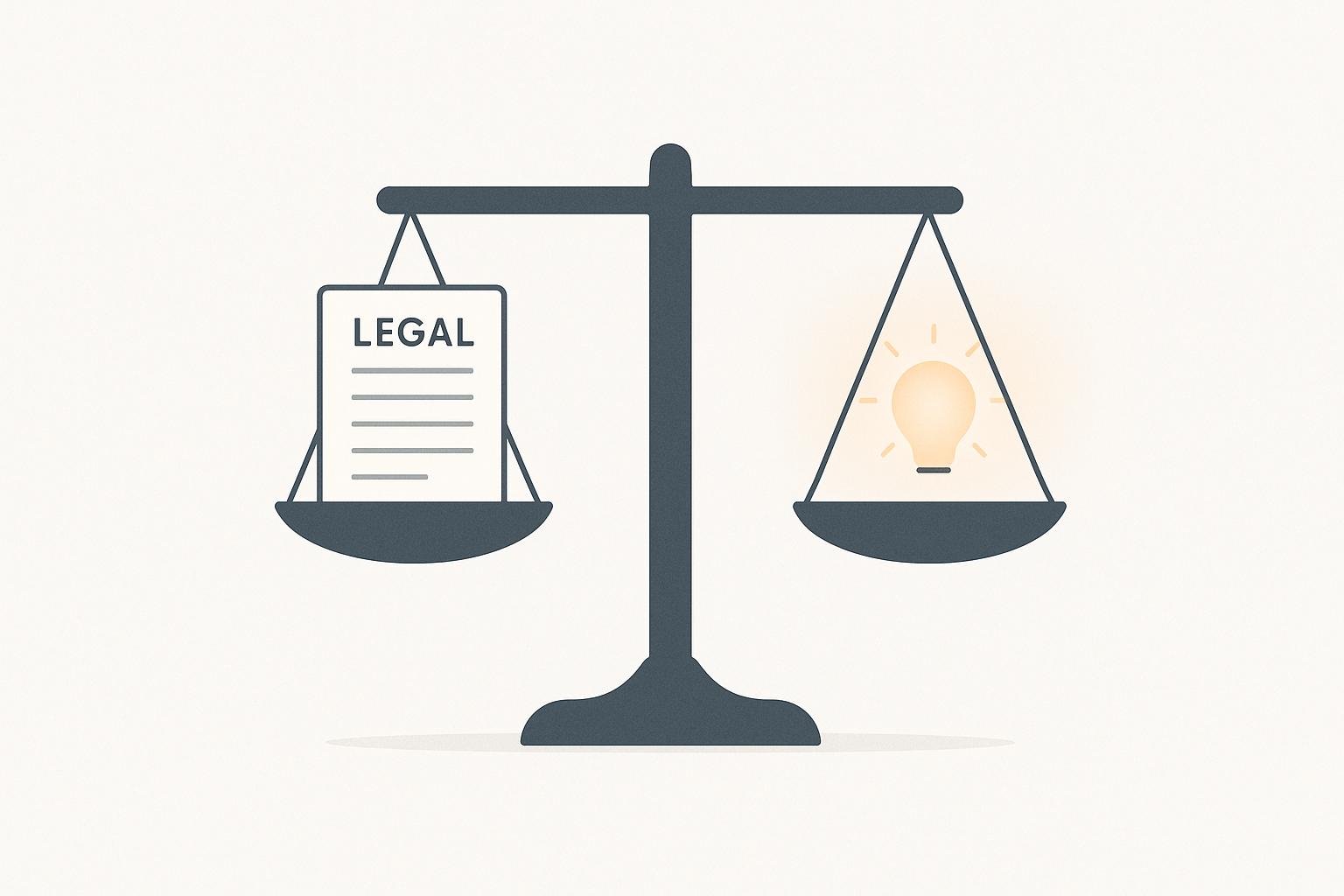
When crises hit, organizations must navigate two key responsibilities: legal duties and ethical duties. Legal duties are non-negotiable and enforceable by law, like reporting workplace injuries or disclosing data breaches. Ethical duties, however, go beyond legal requirements and focus on moral accountability, such as transparency and prioritizing stakeholder well-being.
Key takeaways:
- Legal duties ensure compliance with laws like OSHA, HIPAA, or the SEC's disclosure rules. Non-compliance can lead to fines, lawsuits, or criminal charges.
- Ethical duties involve acting in the best interest of stakeholders, even when not legally required, like being transparent during product recalls or offering extra support after a data breach.
- Research shows that 80% of companies that balance both legal and ethical responsibilities recover faster from crises.
The challenge? Legal and ethical duties sometimes conflict. For example, laws might delay disclosure of sensitive information, but stakeholders may expect immediate transparency. Companies like Johnson & Johnson (Tylenol recall) succeeded by exceeding legal requirements, while others like BP (Deepwater Horizon) failed by focusing only on legal compliance, damaging trust and reputation.
For technical leaders, understanding this balance is critical. Building a crisis response framework that integrates legal compliance with ethical decision-making - through clear communication, ethics training, and stakeholder prioritization - can help organizations emerge stronger from crises.
Legal vs. Ethical Liability: A Crisis of Leadership and Culture | Mel Fugate | TEDxSMU

What Are Legal and Ethical Duties in Crisis Communication
Legal and ethical responsibilities play distinct yet equally critical roles in crisis communication. While they stem from different origins and carry unique consequences when ignored, both are essential for maintaining legal compliance and earning stakeholder trust. Here's a closer look at these two dimensions of responsibility.
Legal Duties: What the Law Requires
Legal duties establish the non-negotiable standards organizations in the U.S. must follow during crises. These requirements are grounded in federal regulations, state laws, and contractual obligations - and failing to meet them can lead to serious repercussions.
Federal regulations often form the backbone of these legal obligations. Agencies like OSHA and the FDA enforce strict safety and reporting standards during crises. Additionally, data privacy laws come into play when personal information is involved. For instance, the California Consumer Privacy Act (CCPA) mandates that businesses notify affected individuals within 72 hours of discovering a data breach that compromises personal data [1][2]. Similarly, the Securities and Exchange Commission (SEC) requires publicly traded companies to disclose material events - such as cyberattacks or operational disruptions - that could influence stock prices. Ignoring these legal mandates can lead to fines, lawsuits, and even criminal charges for executives.
Ethical Duties: Meeting Moral and Social Expectations
Ethical duties represent a higher standard of responsibility, focusing on trust and moral accountability rather than avoiding penalties. These obligations often go beyond what the law requires, aiming to ensure fairness and transparency for all stakeholders.
During crises, ethical decision-making is often guided by a company’s core values and mission statements. Organizations with strong ethical principles frequently exceed legal requirements to protect their stakeholders, using their values as a framework when the law offers limited direction.
In addition, professional codes of conduct impose ethical responsibilities that often surpass legal standards. For example, engineers, healthcare professionals, and other licensed practitioners are bound by industry-specific ethical guidelines emphasizing public safety, honesty, and integrity. These principles not only complement legal compliance but also reinforce a deeper commitment to doing what’s right [1][4].
The benefits of ethical conduct during crises are clear. Companies that invest in ethics training report a 60% reduction in legal and ethical issues during crises. Furthermore, businesses that prioritize ethical practices are 3.5 times more likely to outperform their competitors in challenging situations [2]. Research also shows that 80% of organizations adhering to both legal and ethical standards recover more quickly from crises compared to those focusing solely on legal compliance [2]. This faster recovery helps preserve relationships, protect market position, and minimize long-term financial damage.
Understanding this dual framework of legal and ethical responsibilities is crucial for navigating crises effectively. It also sets the stage for examining how these duties can align - or occasionally conflict - in real-world scenarios.
When Legal and Ethical Duties Work Together
The best crisis responses happen when legal requirements and ethical expectations align naturally. Instead of treating these as separate or conflicting priorities, organizations often find that ethical actions not only help meet legal obligations but also strengthen relationships with stakeholders.
Both legal and ethical frameworks aim to protect people, ensure transparency, and uphold accountability. In many cases, ethical actions fulfill legal and contractual obligations. This alignment can lead to major advantages. For instance, research indicates that 80% of organizations prioritizing both legal compliance and ethical behavior recover faster from crises compared to those focusing only on legal minimums [2]. This quicker recovery helps preserve market position, maintain customer loyalty, and limit long-term financial damage. Let’s look at a few examples where legal and ethical duties work hand in hand.
Examples of Alignment in Crisis Scenarios
Workplace safety incidents are a clear example of this alignment. Imagine a manufacturing company dealing with an equipment failure that injures an employee. Legally, OSHA requires immediate reporting of workplace injuries. Ethically, the company must act transparently and take quick steps to protect other workers. Organizations that respond promptly - by investigating the incident, openly communicating with employees, and improving safety protocols - fulfill both their legal reporting duties and their ethical responsibility to care for their workers.
Data breach notifications also highlight this synergy. Laws like the California Consumer Privacy Act mandate that businesses notify affected individuals promptly after a data breach. Ethically, companies are expected to respect stakeholder privacy and provide timely warnings of potential risks. Businesses that take additional steps - like offering credit monitoring services or explaining protective measures in detail - go beyond the legal baseline, building customer trust while ensuring compliance [1].
Financial disclosures during crises show how transparency can serve both legal and ethical purposes. When publicly traded companies face major disruptions, like cyberattacks or supply chain failures, they are legally required to inform investors. Ethically, they should also communicate honestly and thoroughly to treat shareholders fairly. Companies that do so not only meet legal obligations but also maintain investor confidence during tough times.
Product safety recalls offer another example. When companies identify safety issues with their products, they are legally required to notify consumers and take corrective action. Ethically, they should also act quickly to protect public safety. Organizations that communicate openly, take immediate steps to address the problem, and implement preventive measures meet both legal standards and ethical expectations.
Environmental incident reporting is yet another area where legal and ethical duties align. EPA regulations require companies to report spills, emissions, or other environmental incidents within specific timeframes. Companies that approach these situations ethically - by being transparent with affected communities, taking swift remediation actions, and introducing preventive measures - go beyond legal compliance and build trust with the public.
The healthcare sector provides particularly strong examples of this alignment. HIPAA mandates protecting patient privacy as a legal requirement, but it also reflects an ethical commitment to safeguarding patient dignity and confidentiality. Healthcare organizations that exceed basic compliance - by adopting robust security measures and openly communicating about data protection - demonstrate how legal and ethical responsibilities can work together seamlessly.
In technology-driven fields, leaders who blend technical expertise with leadership skills are uniquely positioned to balance compliance and stakeholder needs. This ability to uphold both legal and ethical standards is especially critical in areas like data protection and system reliability, where trust and accountability are paramount during crises.
When Legal and Ethical Duties Conflict
Legal and ethical responsibilities often go hand in hand, guiding organizations toward responsible decision-making. But there are moments when these duties clash, creating some of the toughest challenges leaders face during crises. Legal obligations focus on compliance and minimizing risk, while ethical responsibilities emphasize openness and care for stakeholders. The tension arises when fulfilling legal requirements doesn’t align with what stakeholders expect or need[1][4].
Common Conflicts Between Legal and Ethical Duties
Though aligning legal and ethical priorities is ideal, conflicts can occur when they diverge. Take the 2017 Equifax data breach, for example. Legal protocols delayed public notification, but ethically, the company faced pressure for immediate transparency. The result? Widespread public backlash, even though they technically followed the law[1].
Health crises present another challenge. Laws like HIPAA protect personal data, but ethical considerations may call for sharing more information to safeguard the public. Organizations must weigh privacy risks against the broader responsibility to prevent harm[1][4].
Financial disclosures can also create tension. Publicly traded companies might meet legal filing requirements but fail to provide enough context for stakeholders, leading to a gap in ethical transparency[4].
Even whistleblower protections, which are legally mandated, can pose ethical dilemmas. While organizations may comply with laws to protect whistleblowers and investigate claims, they often struggle with being transparent about underlying issues[1].
Focusing solely on legal obligations can limit immediate risks but damage long-term reputation. For instance, BP’s response to the Deepwater Horizon disaster prioritized legal concerns, which hurt its brand for years. On the other hand, Johnson & Johnson’s voluntary Tylenol recall went beyond legal requirements, earning consumer trust and preserving its reputation[1][2].
Technical leaders are uniquely positioned to navigate these conflicts. Their ability to interpret complex compliance frameworks and understand stakeholder needs allows them to communicate clearly and bridge the gap between legal mandates and ethical expectations.
Comparison Table: Legal vs. Ethical Duties in Crisis
| Scenario | Legal Requirement | Ethical Expectation | Potential Outcomes |
|---|---|---|---|
| Data breach notification | Notify within a set timeframe | Inform affected individuals immediately | Legal compliance may delay trust recovery if disclosure is not timely. |
| Product safety issue | Recall only if mandated by law | Voluntarily recall to protect consumers | Proactive recalls enhance reputation but may introduce legal risks if omitted. |
| Employee whistleblowing | Protect whistleblowers as required by law | Address issues openly and supportively | Following the law alone might not build trust if concerns aren’t fully addressed. |
| Public health emergency | Protect personal data under HIPAA, CCPA | Share necessary information for public safety | Legal compliance may conflict with ethical duties if public safety is at risk. |
| Environmental incident | Report incidents as required by law | Fully disclose impact and remediate | Minimizing impact legally can harm reputation if ethical transparency is lacking. |
This table highlights the delicate balance leaders must strike between legal precision and ethical clarity. Research shows that organizations with strong ethical values are 3.5 times more likely to outperform their competitors. Additionally, 80% of organizations prioritizing legal compliance recover faster after a crisis[2].
For technical leaders, understanding these conflicts is key to creating effective crisis communication strategies. Successfully balancing these duties not only builds trust but also strengthens an organization’s resilience during challenging times.
sbb-itb-8feac72
How Technical Leaders Can Handle Crisis Management
When crises strike, technical leaders often find themselves at the forefront, juggling complex systems, legal obligations, and ethical considerations. Their expertise in data and technology gives them a distinct advantage, but it also comes with the responsibility of managing both legal and ethical dimensions effectively. Striking this balance is essential for maintaining trust and ensuring a structured, effective response.
Building a Crisis Communication Framework
A solid crisis communication framework begins with assembling a multidisciplinary team. This team should include legal advisors, ethics officers, technical experts, and communications specialists. Each role plays a critical part:
- Legal advisors ensure compliance with regulations like OSHA and EPA guidelines.
- Ethics officers guide decisions that align with ethical standards, often going beyond basic legal requirements.
- Technical experts provide data-driven insights and risk assessments.
- Communications specialists handle messaging to stakeholders, ensuring clarity and consistency[1][5].
This collaborative structure enables swift, coordinated responses to crises, avoiding delays that have plagued organizations in the past.
Preparation is just as important as the response itself. Regular ethics training equips teams to handle real-world scenarios by emphasizing the difference between meeting minimum legal standards and upholding higher ethical responsibilities. This training ensures that teams are ready to make sound decisions, even under pressure.
Another key element is maintaining thorough documentation practices. Recording all actions taken during a crisis not only strengthens legal defenses but also enhances transparency and accountability during post-crisis evaluations[6].
Additionally, technical leaders should implement ethics hotlines or reporting systems. These tools encourage early reporting of potential issues while maintaining confidentiality, allowing leaders to address problems before they escalate into larger crises. This approach supports both legal compliance and ethical accountability[1].
Tools to Prioritize Stakeholder Needs
Once a framework is in place, leaders can focus on systematically addressing stakeholder needs. One effective tool is the stakeholder prioritization matrix, which ranks stakeholders based on their influence and vulnerability. This helps leaders identify who requires immediate communication and support, ensuring both legal obligations and ethical responsibilities are met[1][7].
The matrix categorizes stakeholders into groups, such as high-impact, high-influence individuals like regulatory bodies or major clients, who need immediate attention. Other groups are addressed based on their priority level, ensuring a structured and fair approach to communication.
Post-crisis review checklists are another valuable resource. These reviews help assess the effectiveness of the response, document lessons learned, and refine protocols for future incidents. By evaluating stakeholder feedback, regulatory outcomes, and the overall reputational impact, leaders can continuously improve their crisis management strategies[1][7].
Proactively building relationships with legal and regulatory authorities is also crucial. Establishing these connections before a crisis ensures that leaders have access to guidance and support when it matters most. Quick communication channels with these entities can significantly improve response times during emergencies[6].
Research underscores the importance of these structured approaches. For instance, 80% of organizations that prioritize legal compliance report faster recovery times after crises, while 73% of HR professionals emphasize the critical role of legal compliance in effective crisis management[2]. However, the most successful organizations don’t stop at compliance - they also strive to meet ethical expectations, reinforcing trust and integrity.
Case Studies: Results of Legal and Ethical Decisions
Examining the intersection of legal and ethical duties, these case studies reveal the real-world impact of prioritizing one over the other. As these U.S.-based examples demonstrate, adhering strictly to legal requirements without ethical transparency can lead to a loss of trust, reputational harm, and significant financial setbacks.
Case Study: BP Deepwater Horizon Oil Spill
In April 2010, BP reported the Deepwater Horizon explosion and began containment efforts in line with environmental regulations. However, the company downplayed the severity of the spill in its communications and shared misleading data. While BP checked the legal compliance box, it failed to meet the ethical standard of transparency, leading to devastating consequences.
Within weeks, BP's market value plummeted by more than $90 billion, and the company ultimately faced over $20 billion in fines and settlements. Years later, the reputational damage continues to strain its relationships with stakeholders.
This case highlights the importance of blending legal compliance with ethical transparency, especially during crises. Simply relying on legal protections without openly communicating with stakeholders can erode public trust - a key takeaway for crafting effective crisis management strategies.
Case Study: Equifax Data Breach
In September 2017, Equifax disclosed a massive data breach, meeting the legal requirement for notification deadlines. However, the company waited six weeks to inform the public, falling short of ethical transparency. To make matters worse, several executives sold company stock during this delay, further damaging trust.
The lack of swift, open communication left millions of consumers vulnerable to identity theft and fraud. Financially, Equifax faced a $700 million settlement with the Federal Trade Commission and other regulators. The breach also caused long-term reputational damage, shaking consumer confidence in the brand.
This example demonstrates the importance of rapid and honest communication during data security crises. Technical teams, legal departments, and leadership must work together to ensure stakeholders are informed quickly and clearly. For technical leaders, it’s a reminder that transparency is as crucial as technical expertise when managing crises.
Comparison Table: Legal vs. Ethical Duties in Crisis
| Element | BP Deepwater Horizon | Equifax Data Breach |
|---|---|---|
| Legal Compliance | Met basic reporting standards | Satisfied minimum disclosure timelines |
| Ethical Transparency | Misleading communication | Delayed and minimal initial disclosure |
| Financial Impact | $90B+ market loss; $20B+ in fines | $700M in regulatory settlements |
| Stakeholder Trust | Long-lasting reputational damage | Significant consumer trust erosion |
| Recovery Timeline | Ongoing challenges | Gradual rebuilding required |
These cases emphasize that legal compliance alone is not enough for effective crisis management. Stakeholders expect transparency that goes beyond legal obligations. For technical leaders, the lesson is clear: balancing legal responsibilities with ethical openness is not just a moral choice - it’s a practical strategy for ensuring long-term organizational resilience and trust. [1]
Conclusion: Balancing Legal and Ethical Responsibilities
Striking the right balance between following the law and acting ethically is key to building a resilient organization. According to surveys, 73% of HR professionals emphasize the importance of legal compliance, while 84% of employees value ethical behavior, especially during challenging times [2][3].
High-profile cases like the BP Deepwater Horizon oil spill and the Equifax data breach highlight one crucial lesson: meeting only the legal requirements isn’t enough. These incidents show how failing to pair compliance with ethical transparency can shatter stakeholder trust and result in significant financial losses. On the other hand, organizations that combine legal compliance with ethical practices often recover more quickly and maintain better relationships with their stakeholders.
So, what can technical leaders do to ensure this balance? A few practical steps can make a big difference. Regular training on ethics and legal compliance helps teams stay informed about both regulatory standards and broader ethical expectations. Creating crisis management teams that include legal and ethics experts ensures diverse perspectives during critical decision-making moments. Additionally, keeping thorough records of crisis response actions not only supports legal compliance but also aids in learning and improving after the crisis.
In today’s fast-paced, highly connected world, stakeholders expect more than just adherence to the law - they want to see ethical leadership. Social media and instant public scrutiny amplify this demand, making it essential for organizations to go beyond the bare minimum. For technical leaders, this means developing new skills that blend technical expertise with ethical decision-making and crisis management.
Specialized training programs, like those offered by Tech Leaders, provide a valuable opportunity to build these skills. These programs equip leaders to navigate complex challenges while meeting both legal and ethical standards, ensuring their organizations are prepared for whatever comes next.
FAQs
What’s the best way for organizations to balance legal obligations and ethical responsibilities during a crisis?
Balancing legal duties with ethical responsibilities during a crisis demands clear communication and careful decision-making. Legal compliance ensures organizations follow laws and regulations, while ethical responsibilities focus on making choices that serve stakeholders' best interests - even when those choices exceed legal obligations.
To strike this balance, organizations should emphasize transparency, act with integrity, and consider how their actions will affect stakeholders in the long run. Aligning ethical behavior with legal standards not only fosters trust but also helps reduce risks during difficult periods.
Can you provide examples of conflicts between legal and ethical responsibilities, and how businesses should address them?
Conflicts between legal obligations and ethical responsibilities can occur when adhering strictly to the law results in actions that clash with moral values or erode stakeholder trust. For instance, a company may be legally allowed to withhold information about a product defect, but ethically, it should disclose such issues to safeguard its customers. Similarly, labor practices that meet local legal standards might still fall short when judged against principles of fairness or workplace safety.
In these challenging situations, businesses should focus on open communication and consider the broader, long-term effects on their stakeholders. While aligning with both legal and ethical standards is the ideal scenario, conflicts may require companies to prioritize actions that reflect their core values and reinforce trust. Turning to ethical guidelines, involving stakeholders in decision-making, and consulting experts can provide valuable guidance in navigating these complex dilemmas.
Why should technical leaders prioritize ethical decision-making during a crisis?
Technical leaders hold a key position in steering their teams and organizations during crises, where every decision can have profound consequences. By embedding ethical decision-making into their approach, leaders ensure their actions not only meet legal standards but also reflect core values like fairness, transparency, and accountability. This approach strengthens trust with stakeholders and protects the organization’s reputation.
Legal requirements set the baseline for acceptable behavior, but ethics take it a step further, addressing the broader effects on employees, customers, and the community. When technical leaders prioritize ethical principles, they can tackle complex challenges with integrity, paving the way for sustained success and resilience.