
Power Dynamics in Political Mediation: Key Challenges
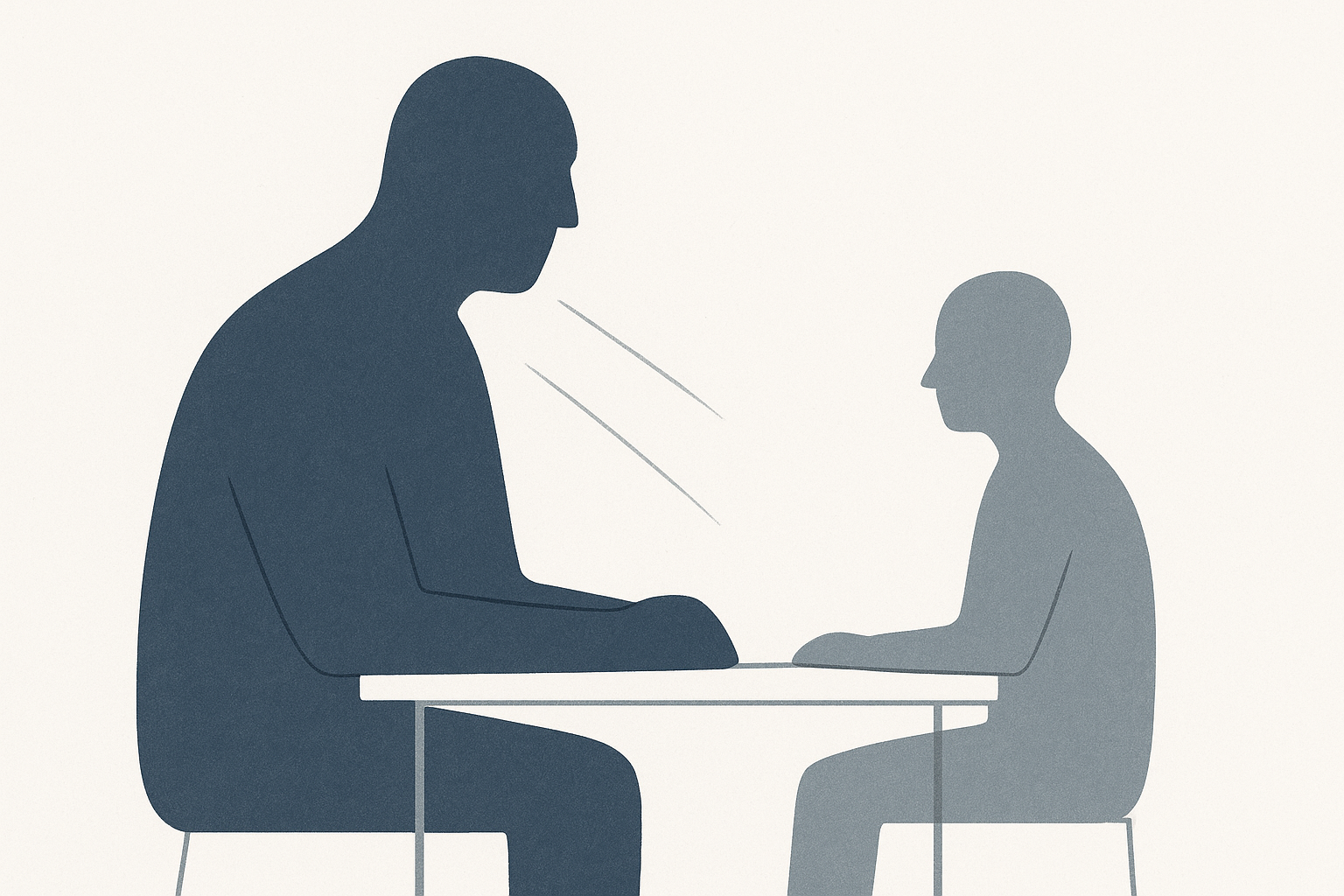
When it comes to political mediation, power dynamics often dictate the entire process. Stronger parties tend to dominate discussions, while weaker ones struggle to have their concerns addressed. This imbalance can derail negotiations, leading to failed resolutions in over 70% of cases. Mediators must understand these dynamics to ensure fairer outcomes, but the challenges are steep:
- Power Imbalances: These allow dominant parties to control agendas, reducing the chances of lasting agreements by 30%.
- Deep-Rooted Conflicts: Historical grievances and identity disputes make compromise harder.
- Neutrality Struggles: Mediators often face accusations of bias, with only 30% feeling equipped to handle power dynamics effectively.
- Rigid Political Structures: Strict hierarchies and protocols limit creative problem-solving.
To address these challenges, mediators can use strategies like pre-mediation coaching, stakeholder analysis, and flexible session structures. Leadership and interpersonal skills are just as important as technical expertise. By focusing on trust, balanced participation, and interest-based approaches, mediators improve the likelihood of sustainable resolutions.
How To Handle Power Imbalances In Mediation? - CountyOffice.org
Main Challenges of Power Dynamics in Political Mediation
When it comes to resolving conflicts, understanding power dynamics is crucial, but it’s only the beginning. Mediators often encounter significant obstacles that can derail their efforts, undermining fairness, neutrality, and the potential for lasting agreements. In fact, power imbalances are a major reason why 75% of conflict resolution attempts fail [1].
How Power Imbalances Affect Negotiations
Power imbalances are a direct consequence of the layered structures we discussed earlier. These imbalances allow the dominant party to control the narrative and dictate the agenda, making it much harder to reach agreements that satisfy all parties. Research shows that this dynamic reduces the likelihood of mutually acceptable outcomes by 30% and increases the chance of conflict resurfacing by the same percentage [1].
Even when agreements are reached, the presence of significant power disparities often leaves parties feeling dissatisfied with the process. This dissatisfaction can contribute to ongoing resentment and a cycle of unresolved disputes [1]. The challenges posed by power imbalances are further compounded when mediators have to navigate entrenched interests between political groups.
Deep-Rooted Interests and Differences Between Groups
Political conflicts are rarely just about the immediate issues at hand. They are often fueled by historical grievances, identity disputes, and long-standing cultural differences, which add layers of complexity to the mediation process. These deeply rooted narratives make finding common ground far more difficult [5].
Take self-determination conflicts, for example. These disputes, where groups seek recognition of their identity and rights, tend to drag on for years, becoming harder to resolve as time passes [5].
"There can be no justice without peace and there can be no peace without justice." - Martin Luther King Jr. [4]
Historical injustices only deepen the divide. When one or both sides carry the scars of past conflicts, they often approach mediation with distrust and a reluctance to compromise. Fear of overextending or exhaustion from prolonged disputes can make parties hesitant to make concessions, perpetuating cycles of injustice [4].
On top of that, mediators must contend with external pressures, systemic weaknesses, and political or legal barriers that make traditional approaches to conflict resolution less effective [5]. These entrenched issues make the mediator’s role even more delicate, particularly when trying to maintain impartiality.
Staying Neutral as a Mediator
Remaining neutral is one of the toughest challenges mediators face. Despite their best efforts, mediators can unintentionally favor the more powerful party, often without even realizing it [2]. What one side sees as impartiality, the other might interpret as bias, especially in situations where power dynamics are at play.
"Neutrality remains 'the most pervasive and misleading myth about mediation.'" - Boulle [2]
The truth is, complete neutrality is almost impossible. Mediators bring their own experiences, cultural contexts, and unconscious biases into the process, which can subtly influence their decisions. Ironically, a rigid commitment to neutrality can sometimes harm marginalized groups, as it may prevent mediators from addressing the inherent power disparities in the room [2].
In high-stakes conflicts, mediators also face challenges from within the parties themselves. Internal disagreements within delegations or fears about losing face in competitive settings can complicate the mediator’s task even further [3]. Alarmingly, only 30% of mediators feel they are adequately prepared to handle the complexities of power dynamics in mediation, exposing a critical gap in training and readiness [1].
Methods for Handling Power Imbalances in Mediation
Mediators often face the challenge of addressing power imbalances during sessions, but there are proven strategies to help create a fairer and more productive environment. By applying these methods, mediators can level the playing field and encourage agreements that stand the test of time. In fact, research indicates that 85% of participants feel that a mediator's neutrality fosters a more balanced atmosphere, and cases led by neutral mediators are 40% more likely to result in successful agreements [6].
Creating Trust and Understanding Between Parties
Establishing trust is a cornerstone of effective mediation. This process starts with the mediator demonstrating unwavering neutrality - avoiding even the slightest appearance of bias. Equal attention to each party's concerns, consistent application of ground rules, and the use of neutral language are essential. Active listening and empathy also play a critical role. When mediators validate emotions and show genuine interest in each party's perspective, even the less powerful participants feel their voices are valued.
Building rapport early on is another key factor. A relaxed and respectful tone, combined with thoughtful language, can set the stage for open communication. Confidentiality is equally important, as it encourages participants to speak freely without fear of repercussions.
Practical Techniques for Managing Power Differences
To address power imbalances, mediators can use several practical approaches. Pre-mediation coaching is one such method, helping the less powerful party build confidence and negotiation skills through exercises like role-playing and workshops. Tools like caucus sessions and power mapping provide safe spaces to express concerns and clarify the dynamics of influence, reducing the psychological effects of power disparities.
Flexibility in structuring mediation sessions is another effective tactic. For instance, mediators might allocate extra time to the weaker party or increase the number of private caucus meetings to ensure balanced participation. These adjustments help create an environment where both sides can engage meaningfully. Additionally, mediators must hone their leadership skills to navigate the complexities of political hierarchies and power dynamics.
Developing Leadership and Non-Technical Skills
Mediating in politically charged or hierarchical situations requires more than technical expertise; it demands strong leadership and interpersonal skills. Navigating these complexities involves self-awareness, communication, and the ability to empower participants while preventing conflicts. As leadership expert Warren Bennis famously said:
"Becoming a leader is synonymous with becoming yourself. It is precisely that simple and it is also that difficult." - Warren Bennis [8]
Effective communication goes beyond listening - it involves facilitating discussions among parties with vastly different perspectives. Mediators must manage these differences through techniques like consensus building, diversity management, and collaborative negotiation. These skills not only enhance mediation outcomes but also prepare mediators to handle the challenges posed by political hierarchies.
For professionals looking to strengthen these abilities, programs like those offered by Tech Leaders can be highly beneficial. Their training focuses on bridging the gap between technical expertise and leadership skills, covering areas such as AI business strategy and entrepreneurship. Such programs equip mediators to transition from technical roles to becoming effective leaders in complex scenarios.
Empowering participants is another vital aspect of mediation. When individuals feel they have an active role in shaping the resolution, the likelihood of successful outcomes increases by 30% [6]. This sense of empowerment directly addresses power imbalances, giving everyone a meaningful voice in the process.
Adjusting Mediation Methods for Political Hierarchies
Addressing the challenges of power imbalances, mediation techniques must evolve to work effectively within rigid political hierarchies. These systems often require approaches that go beyond traditional methods, tackling complex power dynamics, entrenched interests, and inflexible structures [9]. Adaptive mediation embraces the unpredictability of these systems, using tools designed to handle setbacks and unexpected changes [9].
"Conflicts have become more complex and interlinked than ever before" [9]
Given this complexity, mediators need to shift their focus from fixed outcomes to solutions that arise naturally through the mediation process. This shift creates room for precise stakeholder analysis and culturally sensitive practices.
Identifying and Analyzing Key Stakeholders
The first step in mediation is understanding who the stakeholders are. This involves mapping out the key players and categorizing them based on factors like internal versus external roles, primary versus secondary involvement, and their level of influence [10]. Such mapping helps clarify their interests and informs strategies for engaging them effectively.
"Stakeholder analysis is the process used to identify and assess the importance, influence, interests, or impact of various stakeholders in relation to a project or business decision" [10]
To truly understand stakeholders, mediators must delve into their motivations, concerns, and expectations. Identifying the issues that matter most to each group and gauging the intensity of their positions is crucial. Stakeholder mapping offers a visual way to capture these dynamics, helping mediators prioritize their engagement efforts. Regularly updating this analysis is key, as political landscapes can shift quickly.
Mediation That Respects Different Groups
Once stakeholders are clearly identified, mediators need to tailor their approach to honor the unique values and communication styles of each group. Political hierarchies often involve a mix of groups with distinct cultural norms, values, and ways of communicating. Effective mediation requires creating an inclusive space where these differences are acknowledged and respected, while still fostering dialogue.
Adaptive mediation emphasizes active participation from all parties in analyzing conflicts [9]. By encouraging self-organization and resilience, this approach ensures that every group feels their perspective is valued. Rather than imposing external solutions, mediators should guide processes that allow groups to share their concerns and contribute meaningfully to crafting solutions.
This inclusivity can be achieved through flexible meeting formats, varied participation opportunities, and adjustments in communication styles to match group preferences. The goal is to create an environment where all groups can engage authentically without feeling pressured to compromise their core identities.
Building Agreement in Rigid Political Structures
Reaching consensus in rigid political structures can be particularly challenging. These systems are often defined by strict protocols, formal hierarchies, and limited room for creative problem-solving. However, research has shown that consensus-building leads to more stable and lasting decisions compared to majority rule [11].
Achieving consensus in these environments requires a clear definition of the problem, shared access to relevant information, and the use of a single-text approach. This method introduces a draft document early in the process, which all parties can collaboratively refine. By focusing on improving a shared text, this approach minimizes adversarial negotiations and encourages cooperation.
As Lawrence Susskind explains:
"The result is a negotiated decision that is as close to unanimous as possible. From an organizational standpoint, consensus-building techniques help groups as a whole win . . . to reach the broadest agreement possible, not just one that is barely acceptable to a majority" [11]
Another effective strategy in rigid hierarchies is the visioning approach, which shifts the focus toward future goals rather than past grievances. This method prompts participants to consider questions like: "What do we have?", "What do we want?", and "How do we get there?" [11]. By centering discussions on shared aspirations, this approach can help overcome structural limitations and build momentum for change.
Ultimately, success in these settings hinges on creating agreements that participants are genuinely committed to implementing on their own. As adaptive mediation theory highlights:
"The quality of a peace agreement should be assessed on its sustainability and the degree to which the parties are committed to implementing the agreement on their own after the mediation has ended" [9]
These strategies provide a foundation for evaluating mediation methods and their ability to navigate the complexities of different political systems effectively.
sbb-itb-8feac72
Comparison: Different Mediation Approaches for Power Dynamics
When addressing power dynamics in politically charged negotiations, mediators have three main approaches to choose from: power-based, rights-based, and interest-based. Each method offers a distinct way to handle imbalances and achieve resolution, complementing earlier strategies for leveling the playing field.
The Three Mediation Approaches
Power-based mediation uses force and leverage to resolve disputes. In this model, the party with the most power typically prevails, creating clear winners and losers. While it can deliver quick results, it often damages relationships and risks future conflict [12].
Rights-based mediation focuses on resolving disputes through existing laws, regulations, or established rules. By relying on legal frameworks, this method attempts to regulate power imbalances. However, it can still lead to uneven outcomes, as systemic changes often require approval from those in power [12].
Interest-based mediation shifts the focus to the underlying needs and motivations of all parties. Instead of concentrating on power or rules, this approach works to uncover the "why" behind each party's positions, aiming to create solutions that benefit everyone [12].
Mary Parker Follett once described these dynamics succinctly:
"There are three ways of dealing with difference: Domination, compromise, and integration. By domination, only one side gets what it wants; by compromise, neither side gets what it wants. And by integration, we find a new way by which both sides get what they wish." [13]
Each approach reflects a different mechanism: power-based relies on hierarchy, rights-based depends on legal structures, and interest-based emphasizes collaboration and problem-solving [12].
Pros and Cons of Each Mediation Approach
To choose the right approach for a political situation, mediators must weigh the strengths and weaknesses of each method. Here's a breakdown:
| Approach | Advantages | Disadvantages | Best Used When |
|---|---|---|---|
| Power-Based | Resolves disputes quickly; Ensures immediate compliance; Establishes clear authority | Strains relationships; Risks future disputes; Encourages corruption; Unstable as power shifts | In crises with a clear power hierarchy |
| Rights-Based | Provides structure; Appears neutral; Relies on established frameworks | Limited by existing laws; Produces winners and losers; Hinders systemic change | When legal precedent exists and formal procedures are required |
| Interest-Based | Builds lasting relationships; Tackles root causes; Promotes win-win outcomes; Encourages collaboration | Time-intensive; Requires willing participation; Difficult in rigid hierarchies | When parties are open to collaboration and long-term solutions are prioritized |
Choosing the Right Approach
Each method serves a purpose, but their effectiveness varies depending on the context. Power-based approaches may deliver quick fixes, but they often lead to instability as political dynamics evolve [13]. Rights-based methods provide structure but can perpetuate existing inequalities since laws often reflect the interests of those in power [12]. Interest-based mediation, on the other hand, fosters collaboration and focuses on root causes, making it especially effective for long-term change [14].
Legal expert Mervyn Malamed offers a clear perspective on when to use each approach:
"It is only after interests-based approaches have been exhausted that rights should be invoked; and failing that, power." [15]
This hierarchy highlights the value of starting with interest-based strategies to encourage dialogue and sustainable solutions. By addressing core needs and embracing diversity, mediators can turn conflicts into opportunities for learning and collaboration, paving the way for equitable and lasting change [4].
Conclusion: Main Points for Mediators
Political mediation is no walk in the park. It’s a field fraught with challenges, especially when dealing with power imbalances and the tightrope act of maintaining neutrality. These dynamics mean that relying solely on traditional mediation skills won’t cut it. To succeed, mediators need to cultivate strong leadership abilities and non-technical skills to manage the complexities of political disputes.
One of the most critical tools in a mediator’s arsenal is emotional intelligence, paired with strategic communication. It’s not just about hearing what’s said in a negotiation - it's about understanding the emotions and motivations that drive each party’s stance [8]. This deeper awareness helps mediators uncover the core issues at play, paving the way for authentic dialogue and meaningful progress. These skills form the backbone of any successful mediation effort.
But it doesn’t stop there. Mediators must also foster collaboration and build trust among parties locked in long-standing disagreements [8]. Here, the difference between management and leadership becomes stark. Managers may rely on control to get things done, but leaders inspire trust - and trust is non-negotiable when working with adversarial groups [8]. Effective mediators need the vision to connect individual interests to broader, mutually beneficial outcomes, helping parties see beyond their immediate positions.
Empathy and a genuine understanding of each party’s perspective are equally essential [16]. Without these, it’s impossible to craft solutions that address the deeper needs underlying a conflict. This is especially true when mediating between groups with fundamentally opposing worldviews. Bridging these divides requires not only skill but also a nuanced appreciation for the human dynamics at play.
The importance of this work is underscored by the growing demand for mediators. Employment in this field is expected to rise by 5% by 2032 [7]. This growth highlights the need for mediators to balance technical expertise with broader skills in leadership and human connection.
To truly excel, mediators should focus on developing what might be called "character skills", "relational skills", and "wisdom skills", alongside their technical training [8]. These non-technical abilities are what enable mediators to navigate the intricate web of human emotions and power dynamics that often determine the success or failure of political negotiations.
As Martin Luther King Jr. so aptly put it:
"Ultimately a genuine leader is not a searcher for consensus but a molder of consensus." [8]
This quote captures the heart of political mediation. It’s not just about managing existing positions - it’s about reshaping perspectives and creating new possibilities. For mediators, mastering these non-technical skills is the key to unlocking solutions in even the most entrenched conflicts.
FAQs
What strategies can mediators use to manage power imbalances in political mediation and ensure fair outcomes?
Managing Power Imbalances in Political Mediation
Mediators play a key role in addressing power imbalances during political mediation. Creating an atmosphere of trust and mutual respect is essential. This can be achieved by promoting open conversations, ensuring all parties have equal access to critical information, and actively working to address disparities in influence. These steps help create a more balanced and fair negotiation process.
It's also important for mediators to avoid making assumptions about existing power dynamics. Instead, they should focus on understanding the specific needs and interests of each party involved. By steering discussions toward collaborative solutions and highlighting shared objectives, mediators can guide the process toward outcomes that are fair and equitable for everyone.
How can mediators remain neutral when addressing deeply entrenched political conflicts?
How Mediators Stay Neutral in Political Conflicts
Mediators play a critical role in navigating complex political conflicts by creating a space for open dialogue and ensuring that all voices are heard. Their primary focus is on guiding discussions rather than imposing solutions or taking sides. By helping parties uncover the root causes of disputes and encouraging mutual understanding, mediators can steer conversations toward constructive outcomes.
Maintaining neutrality requires careful handling of emotions and grievances. Mediators must remain aware of their own biases and ensure these do not influence the process. Using facilitative or transformative methods - approaches that prioritize empowering participants and fostering mutual respect - can be particularly effective. These strategies help address imbalances in power dynamics while keeping the mediator’s role impartial and supportive.
Why do mediators need strong leadership and interpersonal skills in politically sensitive situations?
Mediators operating in politically charged environments must possess exceptional leadership and interpersonal abilities. These skills are crucial for managing power imbalances, establishing trust, and encouraging open, honest communication. By creating a neutral and secure space, mediators ensure that all parties feel acknowledged and respected - an essential foundation for productive discussions.
Traits such as empathy, strategic thinking, and flexibility enable mediators to handle intricate conflicts and steer conversations toward solutions that benefit everyone involved. In politically sensitive situations, these human-centered skills often play a pivotal role in easing tensions and paving the way for lasting agreements.